Fareon

Microtesla Magnetic Therapy (MMT) is designed for broad, noninvasive brain exposure

MMT delivers low-intensity radiofrequency magnetic fields through a lightweight, wearable headset and a tabletop console. Treatment requires no electrodes, has virtually no sensation, and can be administered comfortably at home under clinical oversight.
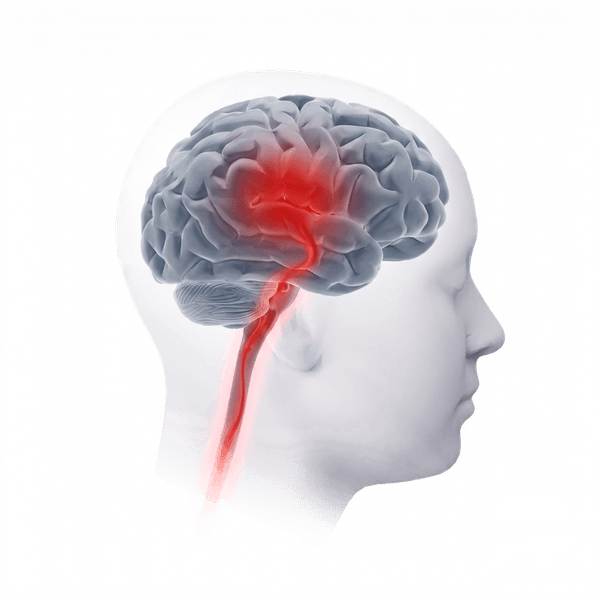
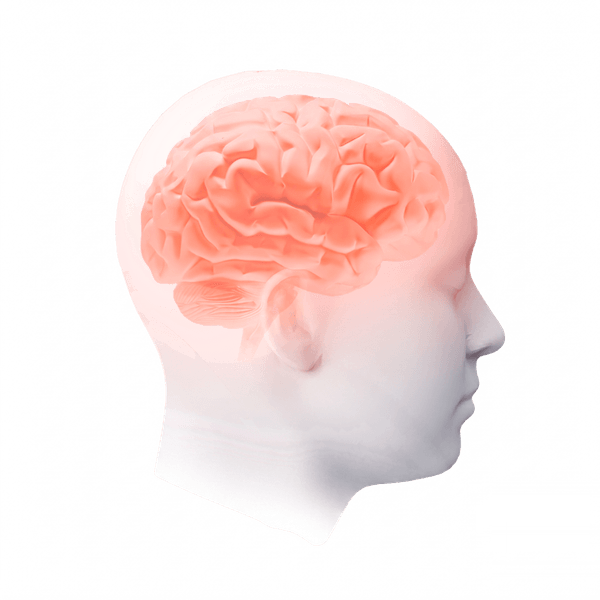
How MMT works
Brain receiving microtesla magnetic field
01 / DELIVER

Broad brain exposure

A head-worn device delivers MMT, a low-intensity electromagnetic field that passes unimpeded through the skull and reaches deep brain structures.

02 / ENGAGE

Redox biology

Preclinical studies show that MMT modulates redox-sensitive signaling and reduces neuronal oxidative stress.

03 / REDUCE

Less inflammation

MMT reduces inflammatory cytokines and microglial activation in human cell and rat models.

04 / RESTORE

Neural tissue repair

Growth and repair signaling is activated, driving lasting recovery of function, with evidence of reduction of neuronal stress and tissue injury.

Why MMT is different

Excellent safety profile in first human study

Zero serious adverse events in our first-in-human feasibility study (n=30) (2026). No systemic exposure, no off-target effects observed, no discomfort.1

Broad multipathway activity

MMT showed anti-inflammatory and neuroprotective activity across many cell types including neurons and glia, which could result in bigger effects across multiple disease states.2

Designed for home treatment

All 30 participants who completed the study received seven of eight treatments at home. Participants rated the MMT 4.8 out of 5 for ease of use and convenience.

Evidence of Cellular Repair

Strong signals that MMT restores cellular function and promotes durable repair, not temporary symptom management.2

1. Two adverse events occurred in the active treatment group: an ankle injury and SARS-CoV-2 reinfection; first-in-human trial. medRxiv preprint (2026).
2. Whole-brain, multi-pathway mechanism; Evidence of cellular repair. iScience (2026).

Demonstrated in a triple-blind, randomized, sham-controlled feasibility study

MMT drives a coordinated, systems shift from inflammation toward repair as measured across cognition, mood, and 11,000 plasma proteins measured in peripheral blood.

30
Participants in our first-in-human feasibility study (2026). 20 active / 10 sham.
15min
Per at-home session, twice a week over 4 weeks. MMT treatment is noninvasive and easy to use.
0
Serious adverse events — across the 30-participant feasibility study (20 active / 10 sham).
11K
Plasma proteins measured before and after treatment with SomaScan 11K proteomics.

Findings of feasibility study to be confirmed in larger controlled trials.
Read the medRxiv preprint →
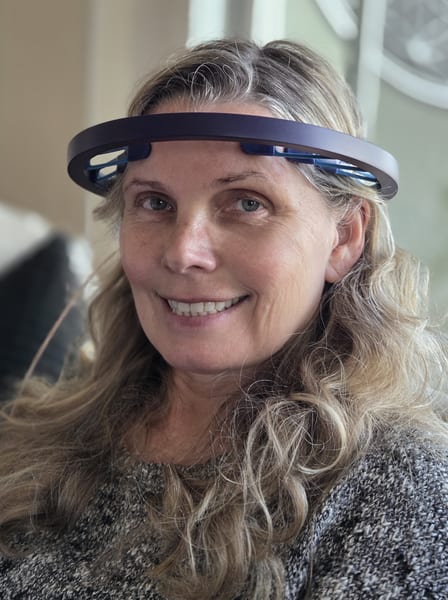
A participant wearing the Fareon headset during the clinical study
Neuropsychological instruments3
Cognition
Processing speed
Attention
Memory
Mood
Depression
Anxiety

Full results, effect sizes, and statistical detail are in the preprint.

Plasma proteomics · SomaScan 11K4
·SomaScan identified selective protein remodeling
·Responders showed lower inflammation and injury signals
·Responders showed higher repair/remodeling biology

The clinical response to MMT is accompanied by focused plasma proteomic remodeling, with responder-linked signals converging on inflammation resolution and repair-associated biology.4

3. Cognition and mood outcomes from the randomized, sham-controlled trial. medRxiv preprint (2026).
4. Plasma proteomics; manuscript in progress (unpublished data).

This is the first data I have seen suggesting that
restoration of lost function may be possible.

Dr. David Putrino
Director of Rehabilitation Innovation, Mount Sinai
Dr. David Putrino

Peer-reviewed preclinical evidence

Not a black box: the biological basis of MMT-mediated suppression of inflammation

Our 2026 iScience study reports that MMT reduced inflammatory signaling and cytokine release in human immune cells, reduced oxidative stress in neuronal models, and reduced microglial activation and tissue injury in a rat model of neuroinflammation.

Graphical abstract — mechanism of microtesla magnetic therapy
Graphical abstract · iScience 2026

Publications